A Guide to Sustainable Practices in Interior Planning
As awareness of environmental issues continues to grow, many homeowners and designers are seeking sustainable practices in interior planning. This guide provides insights into effective methods and approaches that can help create beautiful spaces while minimizing environmental impact.
Understanding Sustainable Interior Design
Sustainable interior design focuses on creating spaces that are not only aesthetically pleasing but also environmentally responsible. According to research from the U.S. Green Building Council, buildings account for about 39% of carbon dioxide emissions in the United States. By implementing sustainable practices, interior designers can significantly reduce their carbon footprint.
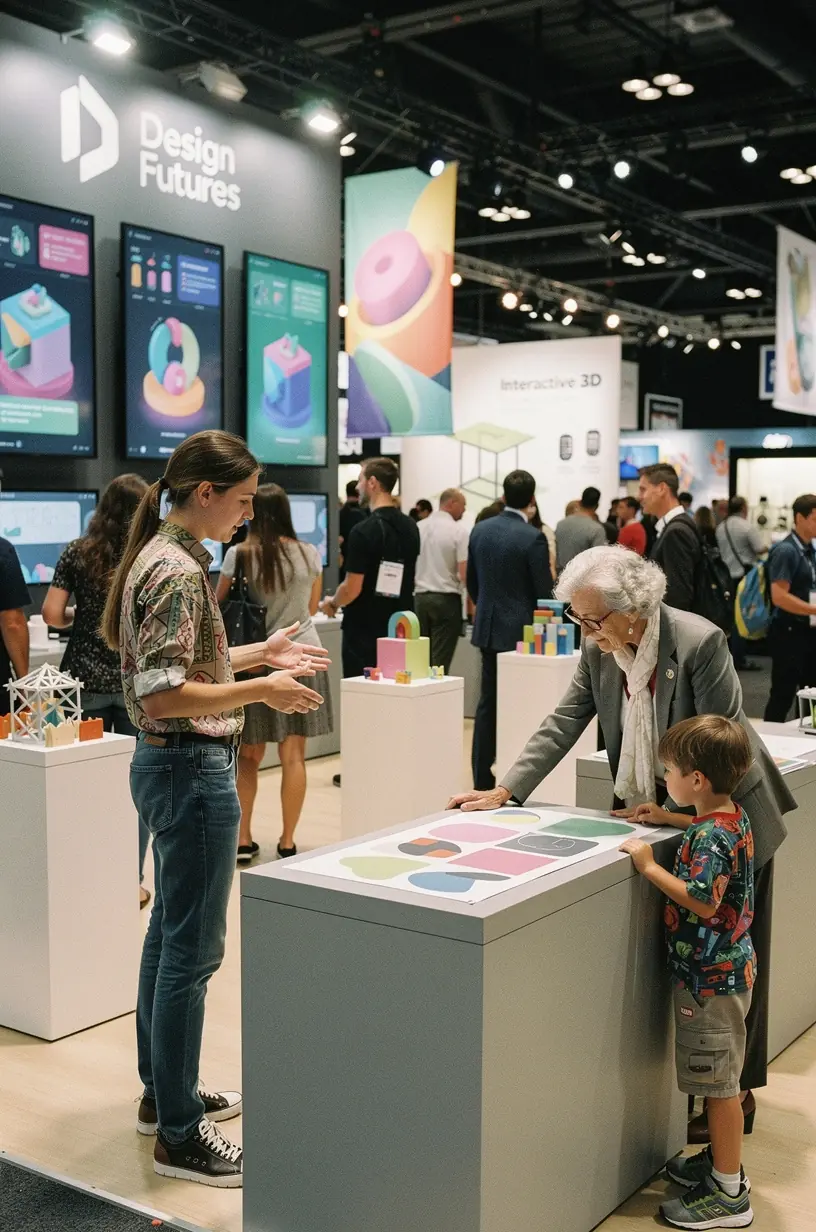
"Sustainability in interior design goes beyond using eco-friendly materials; it involves a holistic approach to how spaces are used and experienced."
Key Principles of Sustainable Interior Planning
Many experts recommend incorporating the following principles into interior planning:
- Use of Sustainable Materials: Opt for materials that are renewable, recycled, or have low environmental impact. For instance, bamboo and reclaimed wood are often cited as sustainable choices.
- Energy Efficiency: Implementing energy-efficient lighting and appliances can reduce energy consumption. Research indicates that energy-efficient designs can lower energy use by 20-30% in similar contexts.
- Indoor Air Quality: Many users report improved well-being when using low-VOC paints and finishes, which help maintain healthier indoor air quality.
Practical Steps to Implement Sustainability
Here are some actionable strategies to help you integrate sustainable practices into your interior planning:
- Assess Your Space: Evaluate the existing space to identify areas where sustainable practices can be applied. This typically takes 1-2 weeks depending on the size of the project.
- Choose Eco-Friendly Products: Research and select products that are certified by recognized standards, such as Energy Star or Green Seal. This process may require additional learning and effort but pays off in the long run.
- Focus on Natural Light: Design layouts that maximize natural light. Studies show that increased daylight in indoor environments can improve mood and productivity, which is essential for both residential and commercial spaces.
Challenges and Considerations
While sustainable practices can be highly beneficial, there are also challenges to consider. Implementing these practices may require a higher initial investment, and the process may be more time-consuming than traditional methods. It's important to set realistic expectations regarding timelines and budgets. Many projects that prioritize sustainability may take longer than expected due to the need for thorough planning and sourcing of materials.
Conclusion
Embracing sustainable practices in interior planning is not only beneficial for the environment but can also create healthier and more enjoyable living spaces. By educating yourself on effective methods and taking practical steps, you can contribute to a more sustainable future while enhancing the beauty and functionality of your interiors. Remember, the journey of sustainable design is ongoing and requires dedication, but the positive impact it can have is substantial.
Learn More