Understanding Lighting Impacts on Interior Spaces
Lighting is a crucial element of interior design that can significantly influence mood, functionality, and aesthetics in a space. This article explores how different lighting types and setups can impact interior spaces, drawing on research and expert recommendations.
The Importance of Lighting in Interior Design
Lighting serves multiple roles in interior spaces. It not only illuminates areas for practical use but also sets the mood and highlights features of a room. According to the National Lighting Bureau, effective lighting design can enhance productivity by as much as 20-30% in workspaces, demonstrating its importance in both residential and commercial environments.
Types of Lighting and Their Effects
Understanding the different types of lighting is essential for creating a balanced environment. The main categories include:
- Ambient Lighting: This is the general illumination that fills a room. It is typically created using ceiling fixtures or lamps and serves as the foundation of any lighting plan.
- Task Lighting: Task lighting focuses on specific areas where activities occur, such as reading or cooking. Examples include desk lamps and under-cabinet lights in kitchens.
- Accent Lighting: Accent lighting is used to highlight particular features, such as artwork or architectural details. This type of lighting is usually more directed and creates visual interest.
How Lighting Affects Mood and Perception
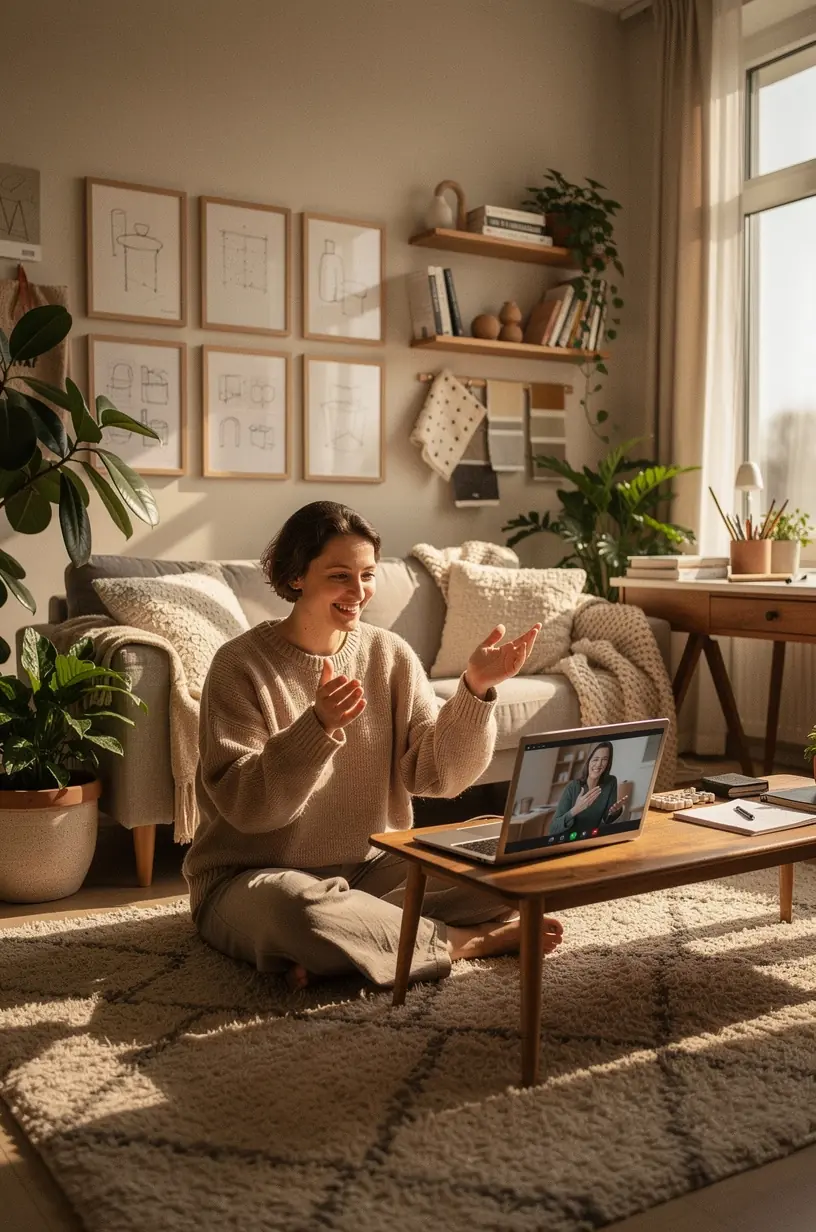
Research indicates that lighting can profoundly affect our emotions and perceptions. For instance, cooler, bluish tones are often associated with alertness and concentration, while warmer tones tend to evoke comfort and relaxation. Experts recommend that spaces intended for rest, such as bedrooms, should utilize warm lighting to promote relaxation, while spaces meant for work may benefit from cooler, brighter light.
"Lighting is not just about visibility; it's about creating an atmosphere that resonates with the intended use of the space.”
Practical Tips for Effective Lighting Design
When planning lighting for an interior space, consider the following practical steps:
- Assess the Space: Take note of the room's purpose and the natural light available. Consider how different lighting types can enhance these elements.
- Layer Your Lighting: Combine ambient, task, and accent lighting to create a well-rounded approach that addresses various needs within the space.
- Adjustable Fixtures: Incorporate dimmers or adjustable fixtures to allow flexibility in lighting levels, catering to different activities and moods.
Common Challenges and Considerations
While effective lighting design can dramatically improve a space, it often involves a learning curve and careful planning. This process may take time, typically requiring 2-4 weeks for full implementation and adjustment. Additionally, consider that certain lighting solutions may not be suitable for every space; dark, small rooms might not benefit from the same strategies as larger, well-lit areas.
Conclusion
In conclusion, understanding the impacts of lighting on interior spaces is vital for anyone involved in interior design or planning. By effectively leveraging different lighting types and techniques, you can enhance the functionality and ambiance of any space. Remember that results may not be immediate; patience and thoughtful adjustments are key to achieving the desired outcome.