The Importance of Client Collaboration in Design
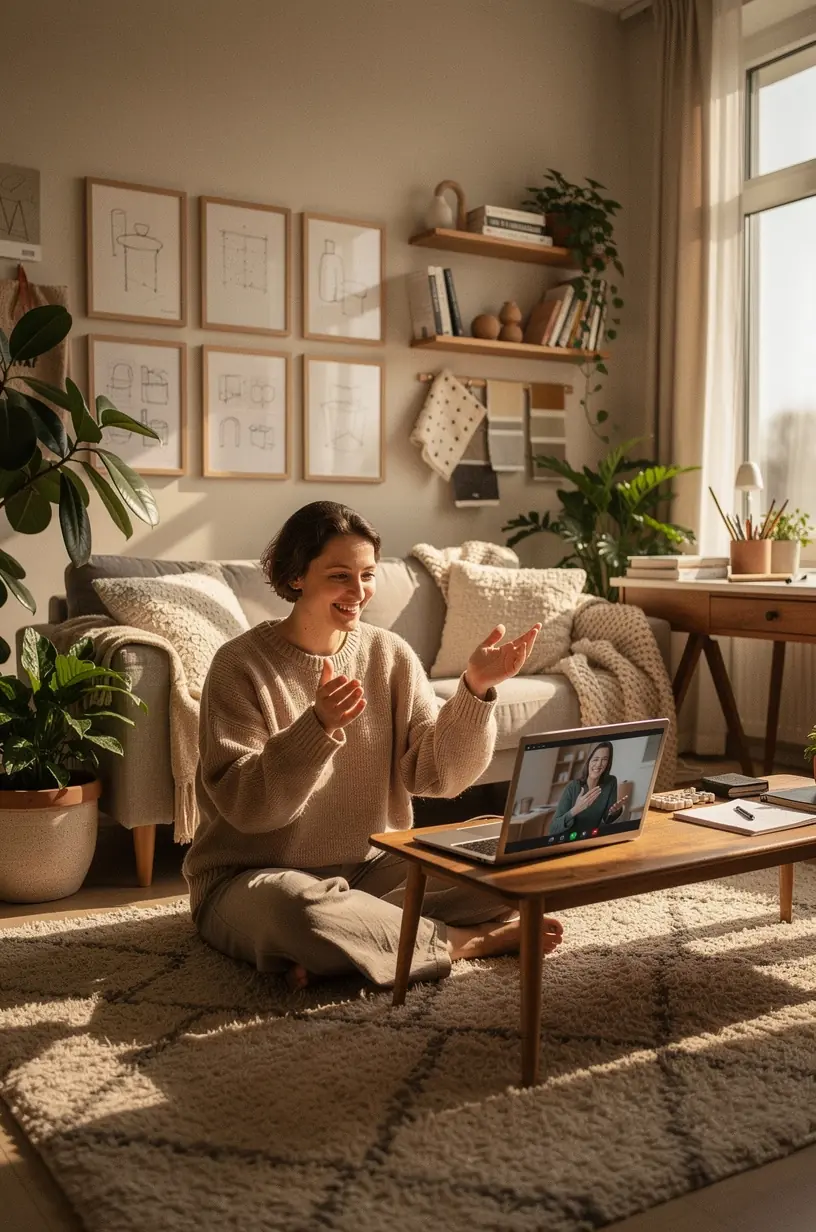
In the world of interior design, collaboration between designers and clients is crucial for achieving successful outcomes. Engaging clients in the design process not only enhances satisfaction but also ensures that the final layout meets their unique needs and preferences. This article explores the significance of client collaboration and offers practical insights on how to foster effective communication throughout the design journey.
Understanding the Basics of Client Collaboration
Client collaboration involves a two-way communication process where design professionals and clients share ideas, feedback, and preferences. According to research conducted by the American Society of Interior Designers, projects that involve clients in the decision-making process tend to see a 20-30% increase in satisfaction rates compared to those where clients are left out. This approach works because it allows designers to tailor layouts that truly reflect the client’s vision, resulting in a more personalized and functional space.
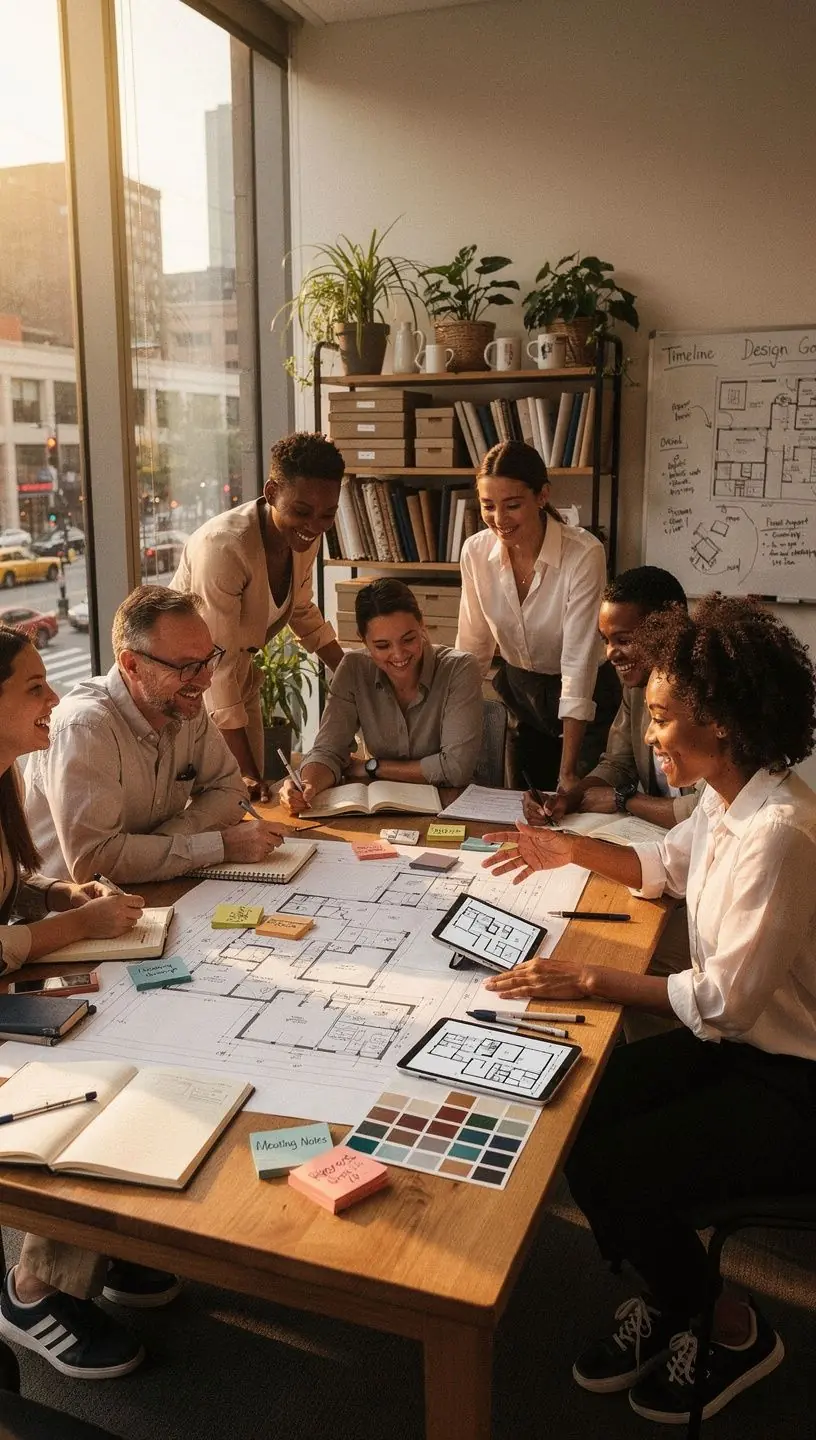
"Client involvement is not just beneficial; it is essential for creating spaces that resonate with their lifestyle and needs."
Effective Strategies for Collaboration
Implementing effective collaboration strategies requires time and effort but can significantly enhance the design experience. Here are some practical steps to facilitate this process:
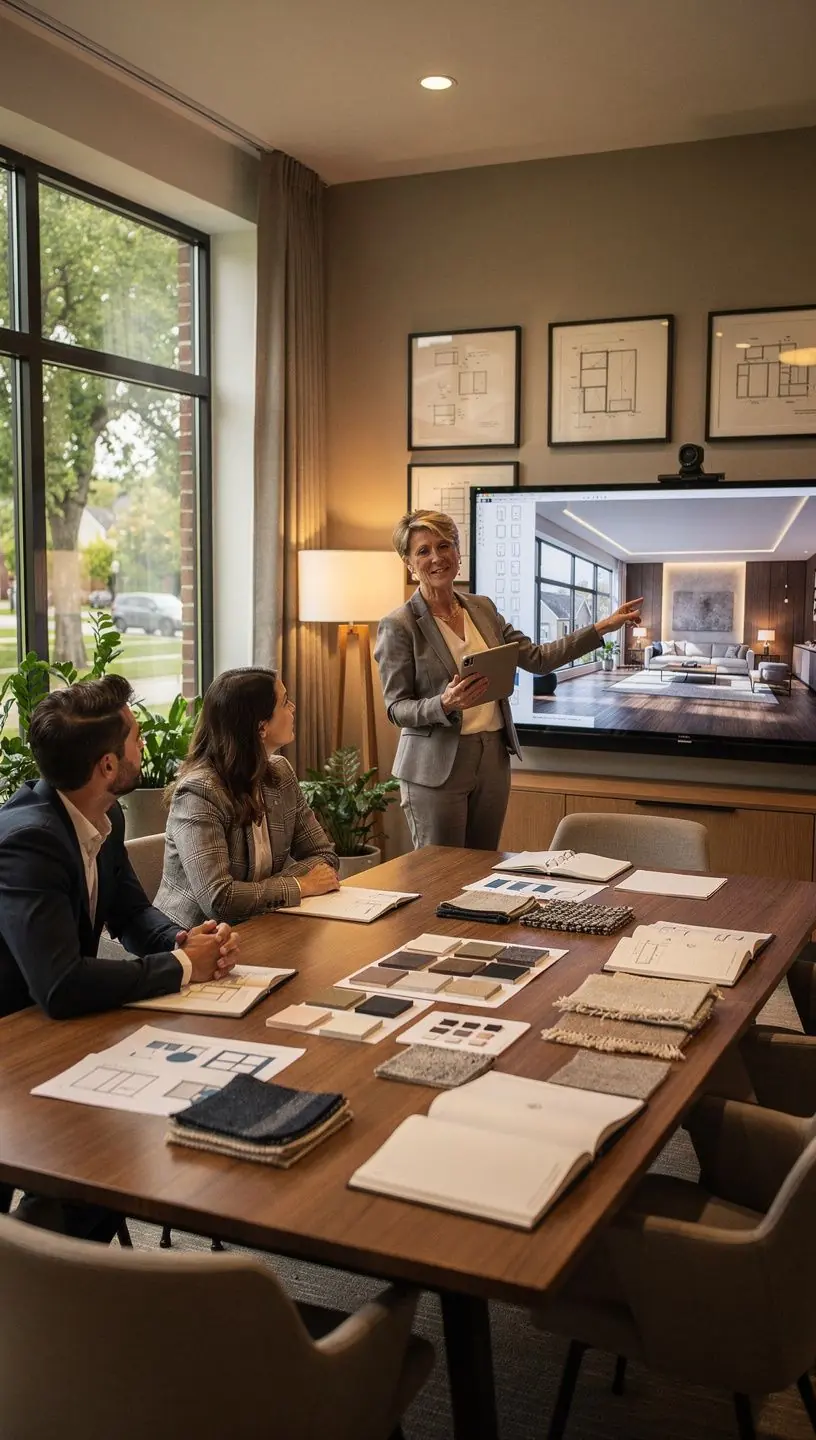
- Initial Consultation: Begin with a comprehensive consultation to understand the client’s goals, preferences, and budget. This typically takes about 1-2 hours and sets the foundation for the entire project.
- Regular Check-ins: Schedule periodic meetings throughout the design process to gather feedback and make adjustments as needed. Many designers recommend bi-weekly updates to keep clients informed and engaged.
- Visual Tools: Utilize visual layout designs, such as mood boards and 3D renderings, to help clients visualize their ideas. Studies show that clients who can see their concepts represented visually are often more participative in the design process.
Addressing Common Challenges
While collaboration is beneficial, it can also present challenges. For instance, clients may have unrealistic expectations regarding timelines or budgets. It’s important to set clear and honest expectations from the outset. Here are some tips to overcome these hurdles:
- Clarify Objectives: Clearly outline the objectives and limitations of the project, including realistic timelines and budgets. This helps in managing client expectations effectively.
- Educate Clients: Take the time to explain design principles and methodologies. This empowers clients with knowledge that can inform their decisions and enhance their understanding of the design process.
- Encourage Open Dialogue: Create an environment where clients feel comfortable expressing their thoughts and concerns. This open communication can lead to innovative solutions and deeper collaboration.
Conclusion
Client collaboration in interior design is a vital aspect that can lead to more satisfying and functional spaces. By engaging clients throughout the process and implementing effective communication strategies, designers can create environments that truly reflect their clients' needs. While collaboration requires dedication and time, the positive outcomes often justify the effort, leading to a more rewarding experience for both clients and designers alike. Remember, the key to successful design lies in the strength of the partnership between designer and client.